

ARC 2026–27 · SC Aero · in development
The next build
The 2026–27 airframe is on the bench and flying test articles. Name, specs, and flight numbers land here after its first qualification flights.
Fremont, CA
Sponsorship questions, camp sign-ups, workshop requests, or anything else: send an email.
Every dollar flies
Motors are single-use, airframe stock isn't free, and ARC charges registration. Your donation covers build materials, competition costs, and the free workshops we run for younger students, all processed through Hack Club Bank.
Airframe stock, motors, recovery hardware, and electronics for every build.
ARC registration, qualification launches, and getting the team to the pad.
Free workshops and summer camp sessions for students across the Bay Area.
Space Pickles Rocketry is fiscally sponsored by The Hack Foundation (d.b.a. Hack Club).
Team archive
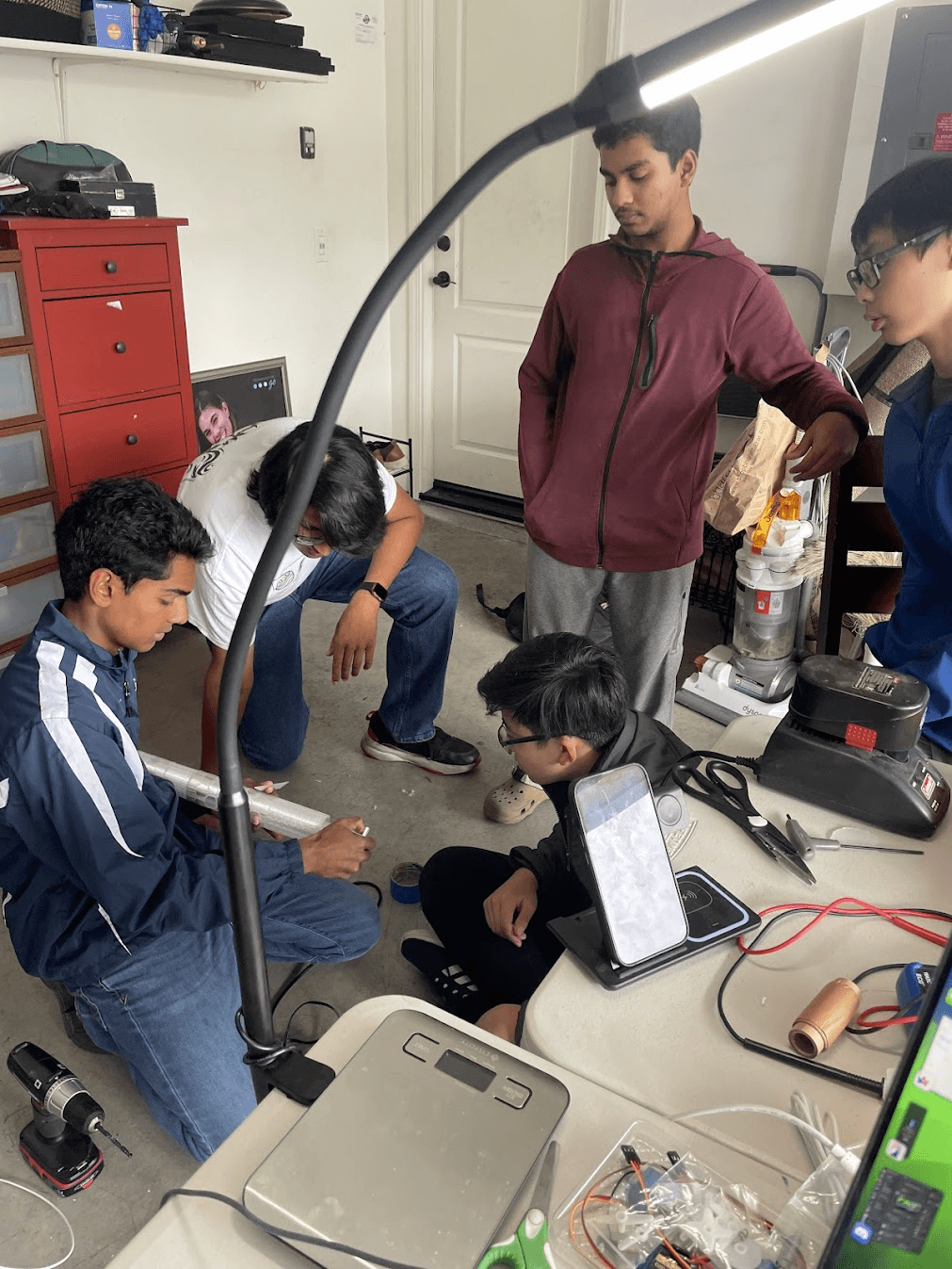
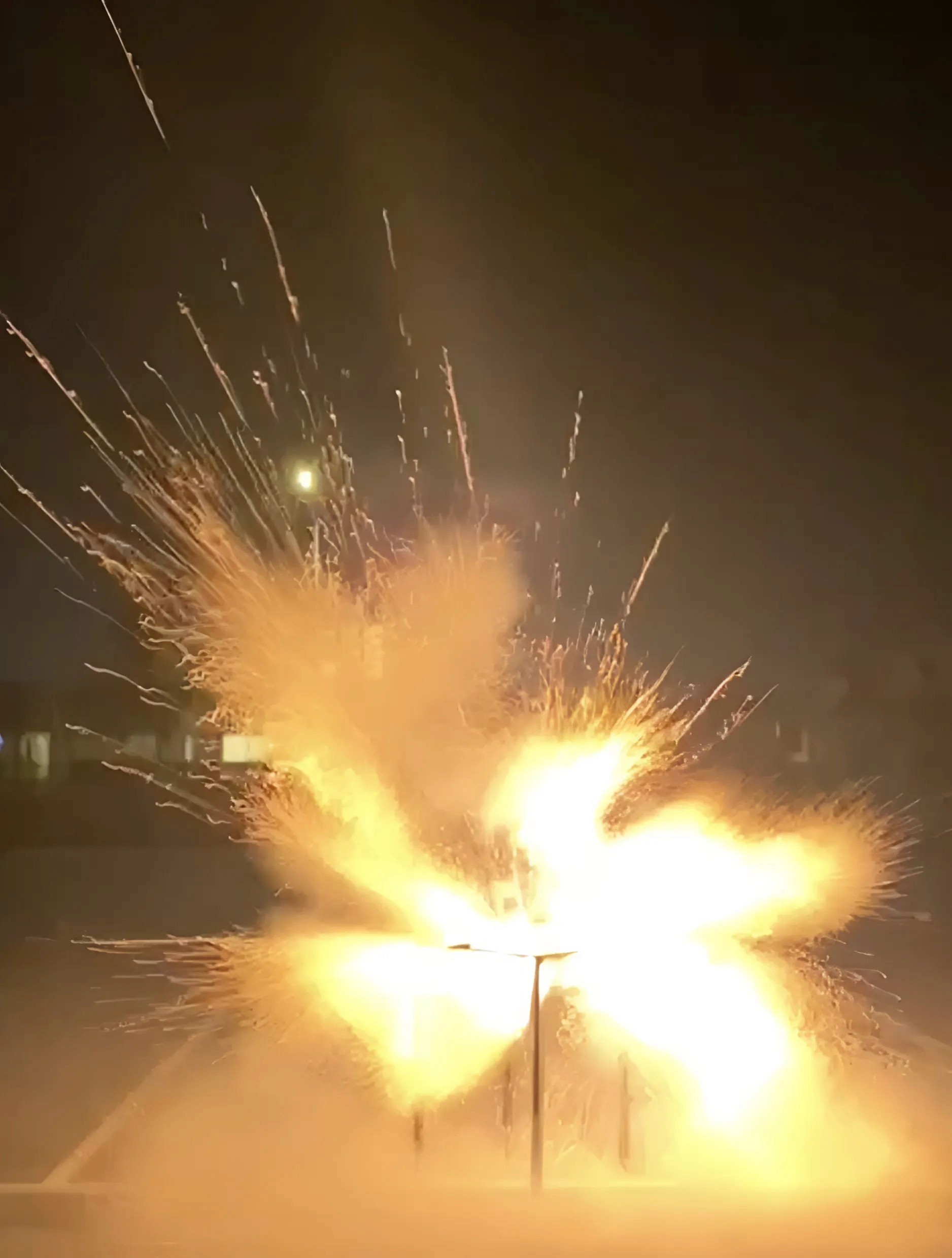
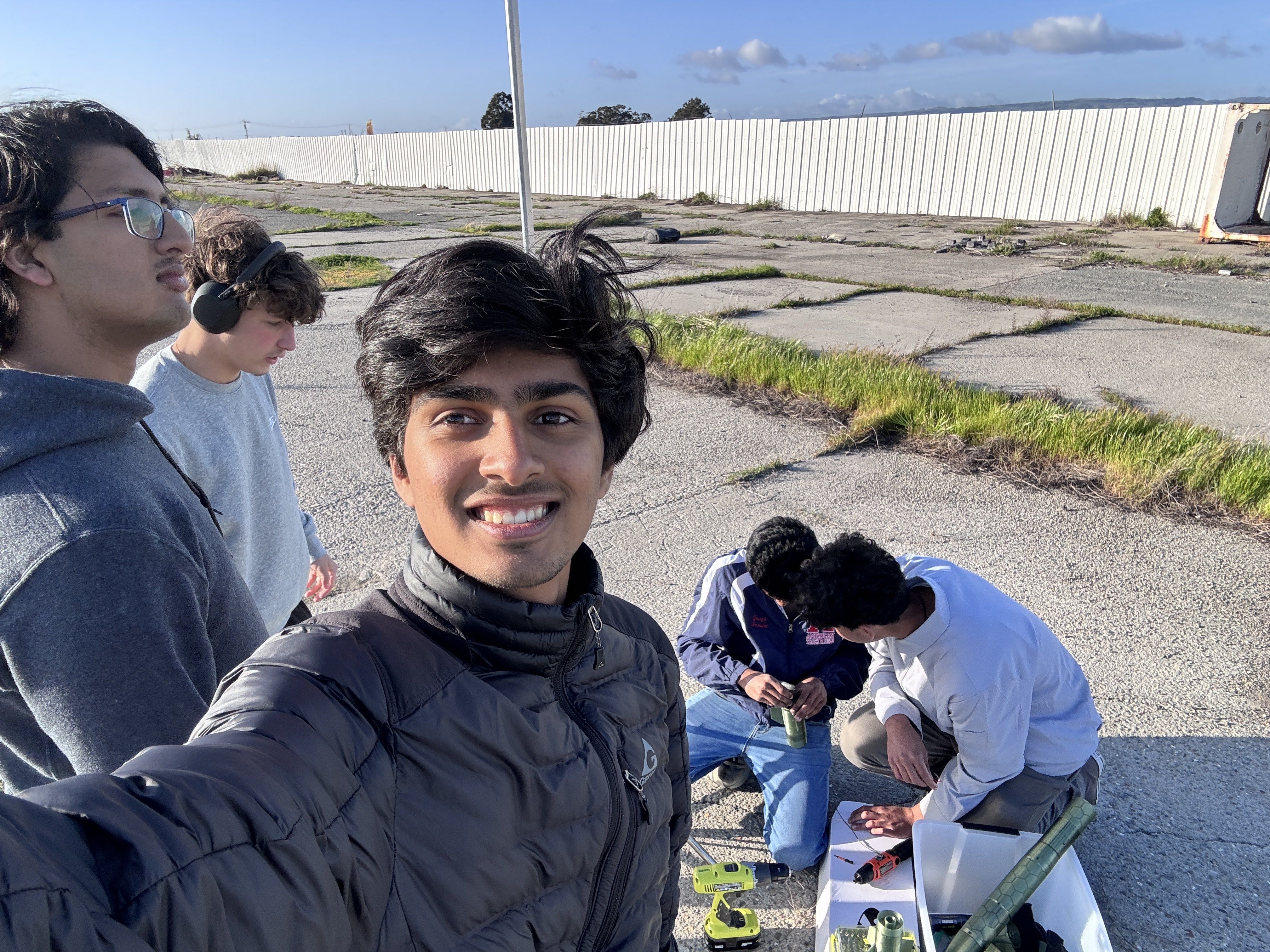
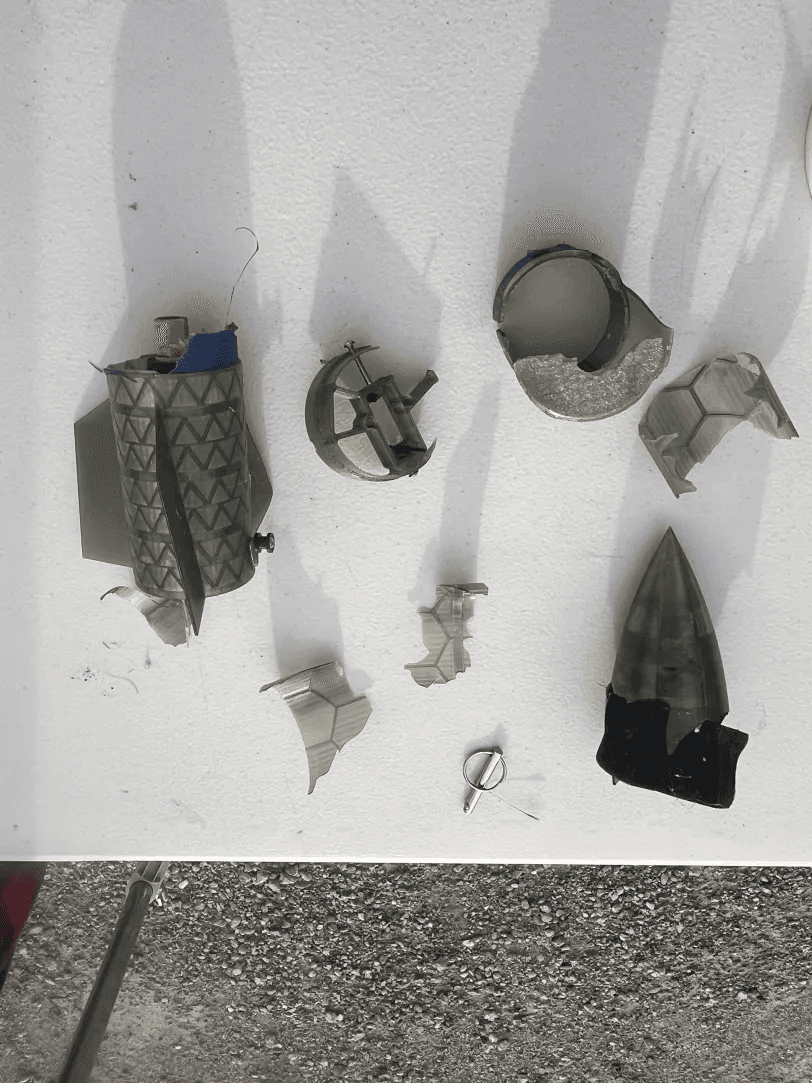
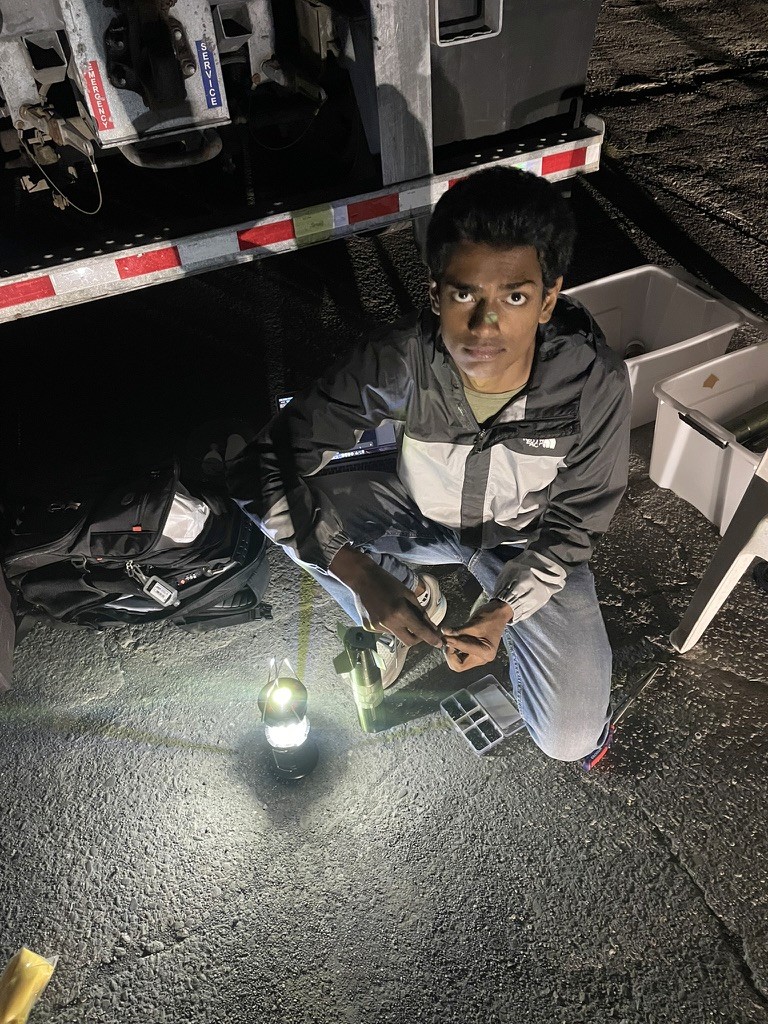
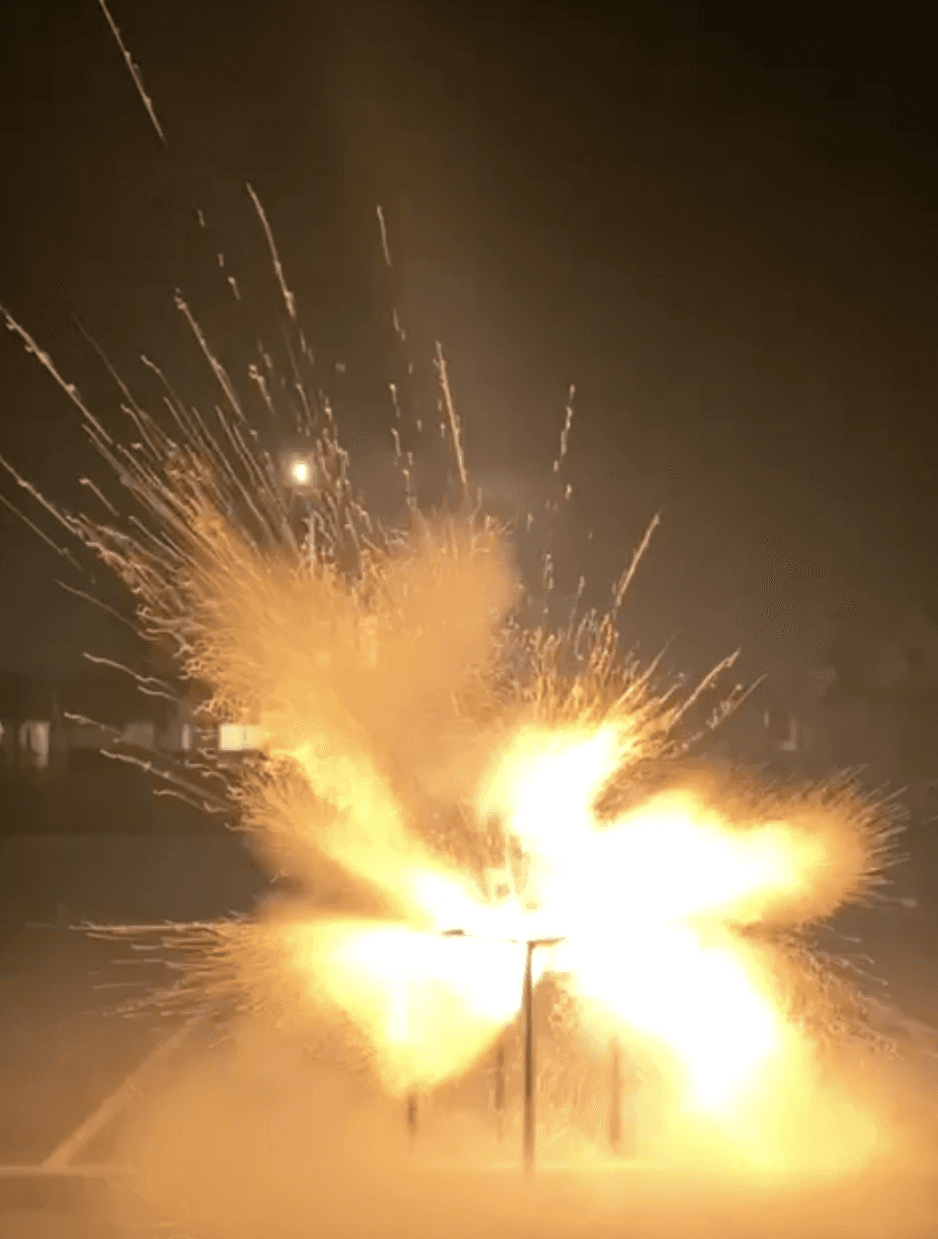
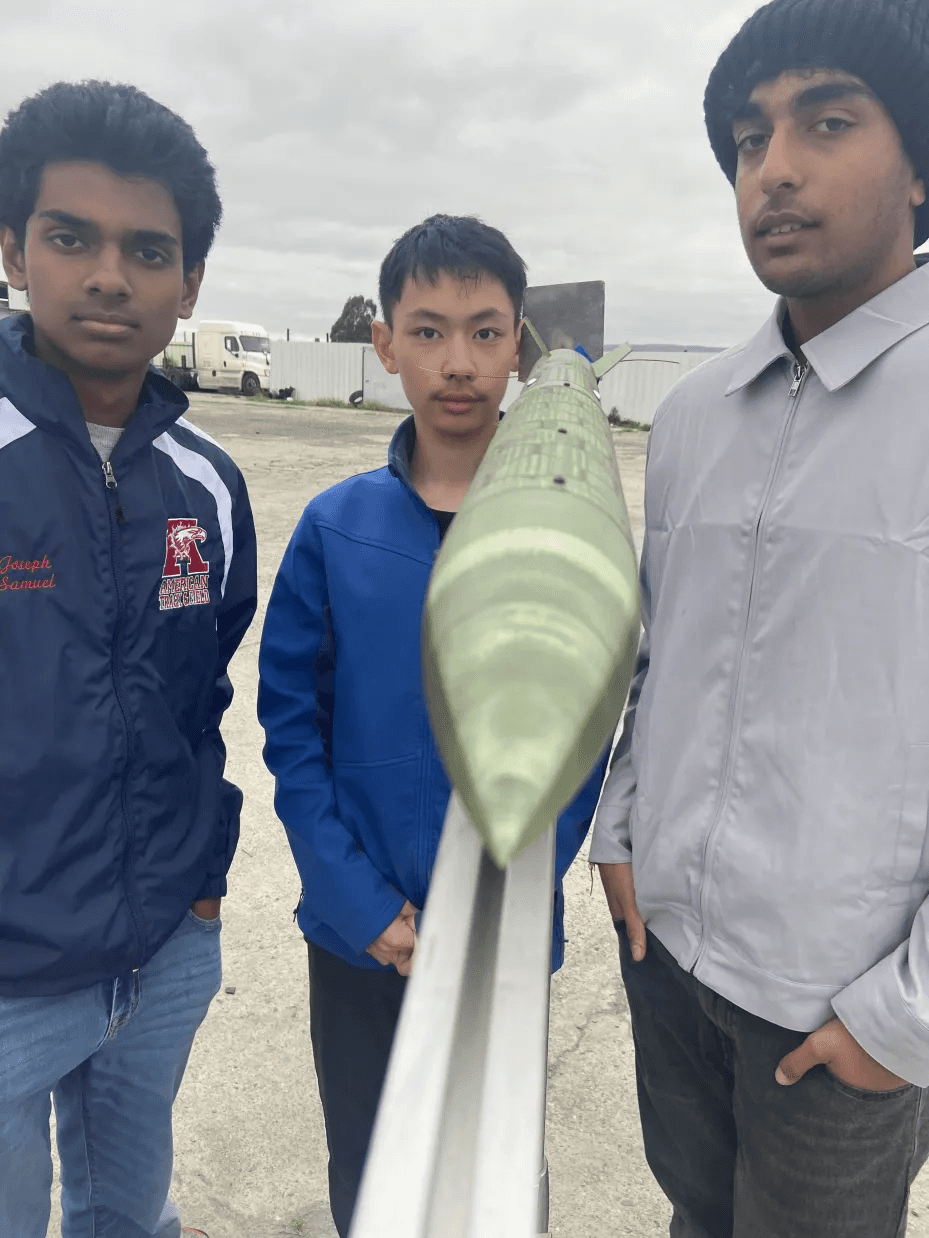
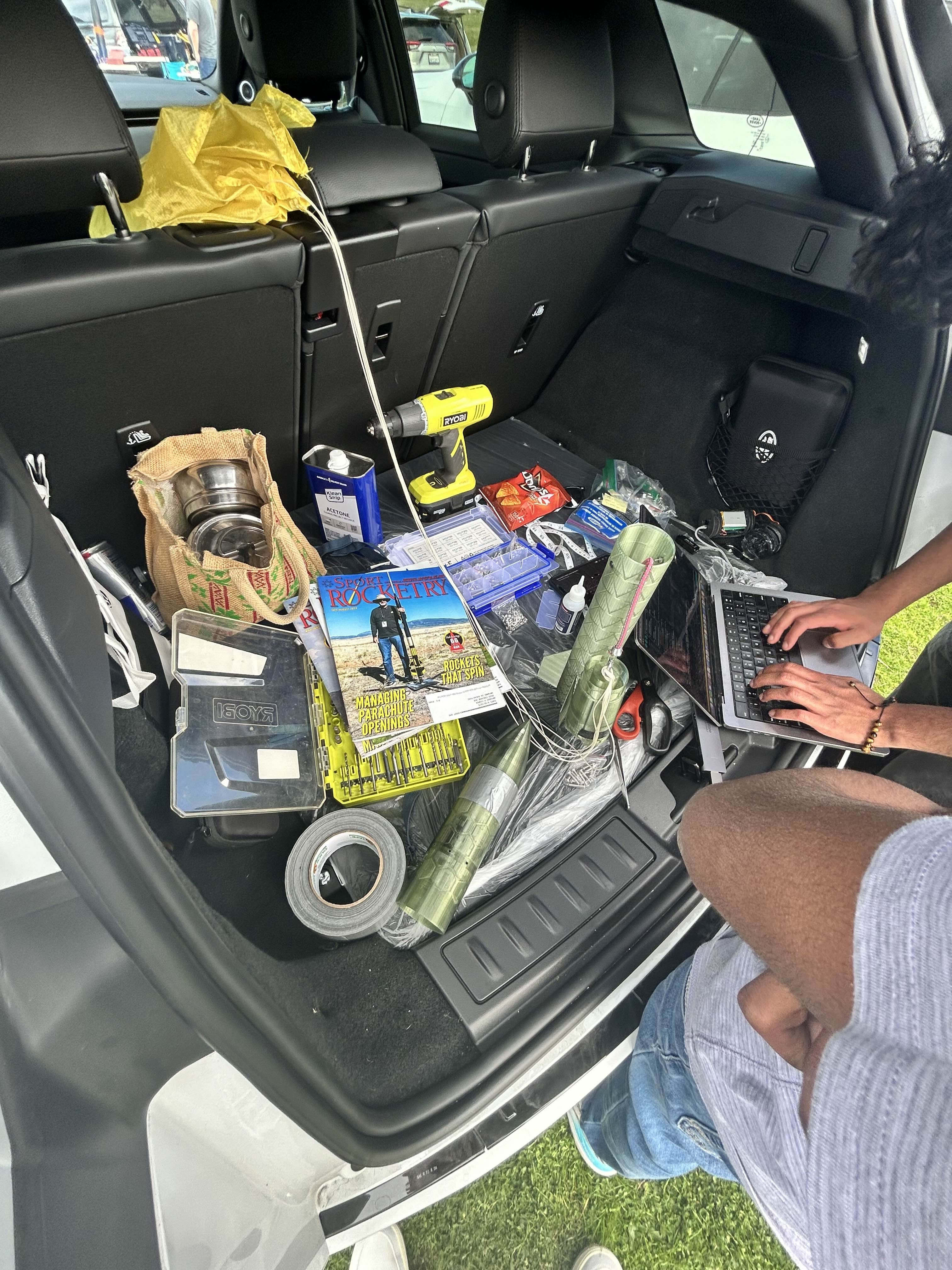
A compilation of our highs and lows.


Fremont, CA
We're a group of students who design, build, and fly our own rockets. We compete in ARC and hackathons, and we run a rocketry summer camp every June and July.
Space Pickles Rocketry is a student-run team from Fremont, California. We design, simulate, build, and fly our own rockets. Then we teach other students how to do the same.
We compete in the American Rocketry Challenge and in hackathons, and we run free STEM programming for students across the Bay Area.
Space Pickles Rocketry is fiscally sponsored by The Hack Foundation (d.b.a. Hack Club).
Three groups, one launch rail. Click through to see what each group actually builds.
Design, simulation, CAD, and assembly of competition airframes.
View Our Rockets → 02A scroll-driven walk around the airframe, nosecone to fins to ignition, drawn live on the page. Our way of showing what we build without a spec sheet.
Enter the Rocket Lab → 03Hands-on rocketry camps and workshops that bring model rockets to elementary and middle school students across the Bay Area.
View Outreach →Motors, airframe stock, ARC registration, tools, workspace, and the free STEM workshops we run around the Bay Area: that's what your donation actually buys. It runs through Hack Club, our fiscal sponsor, so the paperwork's handled and the money goes where it should: up.
Tryouts · every August
Tryouts for the 2026–2027 season have been announced. Dates and details are on our Instagram.
ARC 2027
Designed in CAD, argued over in simulation, built by hand, and flown on the rail. Every airframe the team has put on a pad, newest first.
Don't know how the 2027 season ARC rules work? Click below to enter the Rocket Lab and find out.
ARC 2026–27 · SC Aero · in development
The 2026–27 airframe is on the bench and flying test articles. Name, specs, and flight numbers land here after its first qualification flights.
ARC 2025–26 · SP Aero
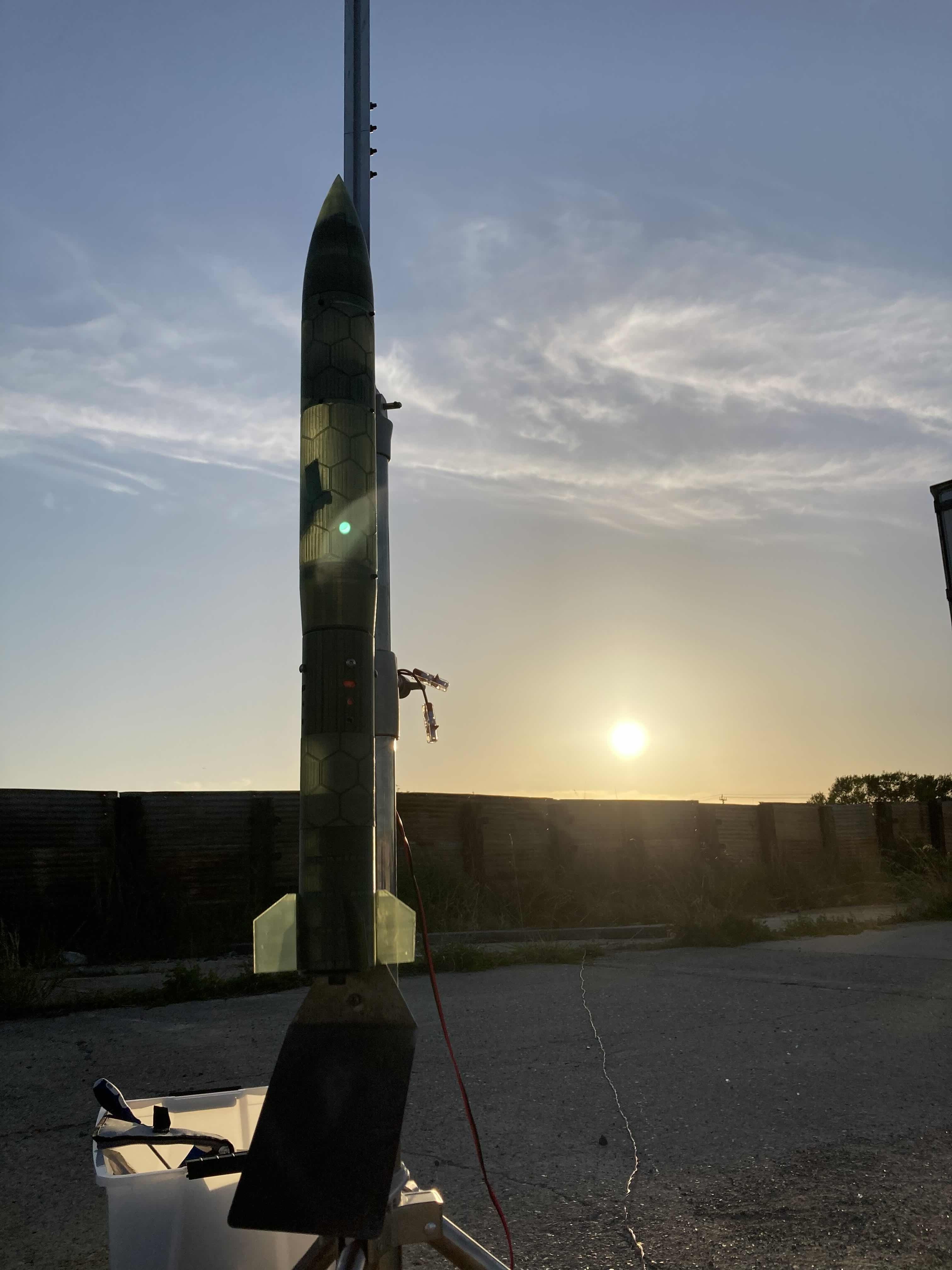
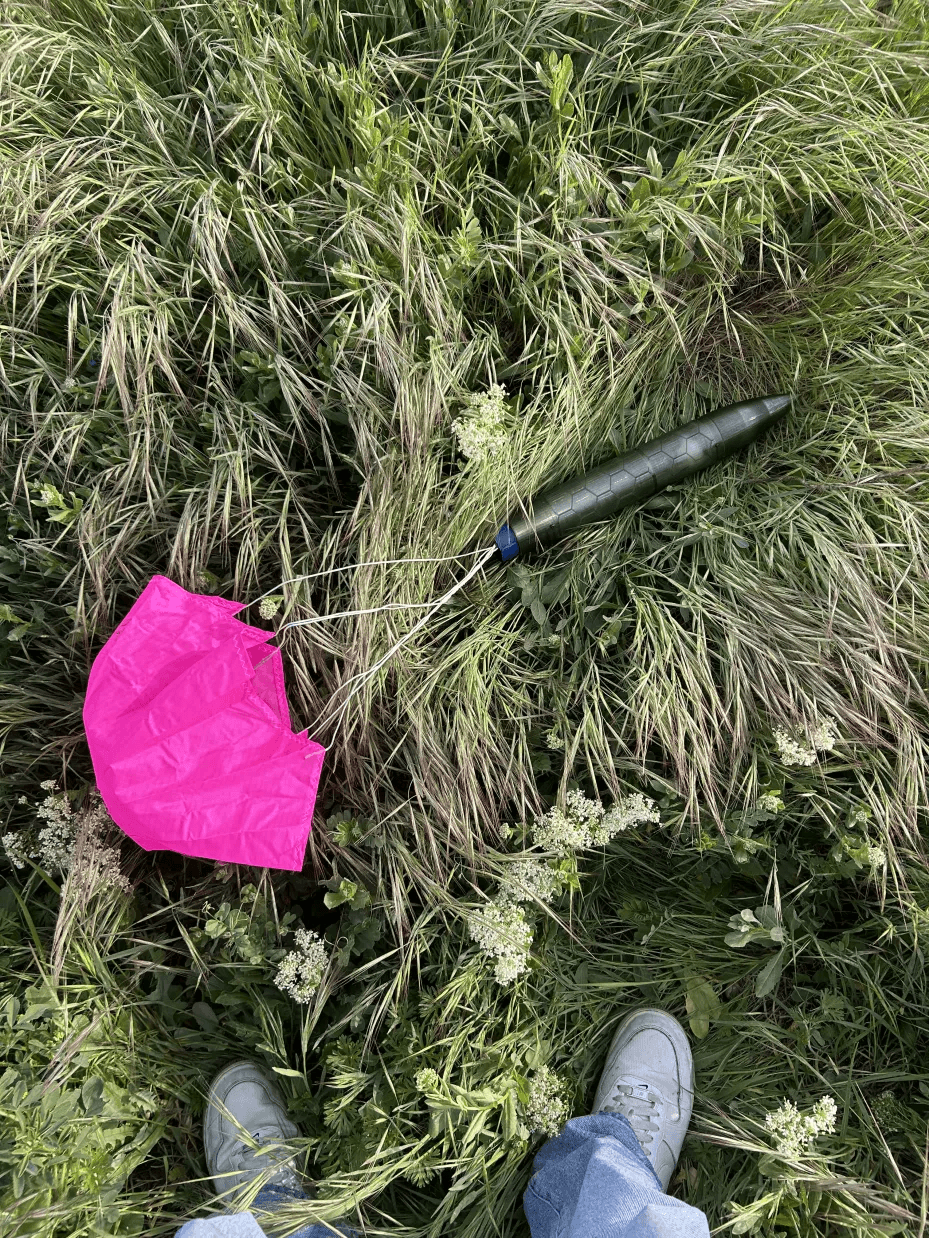
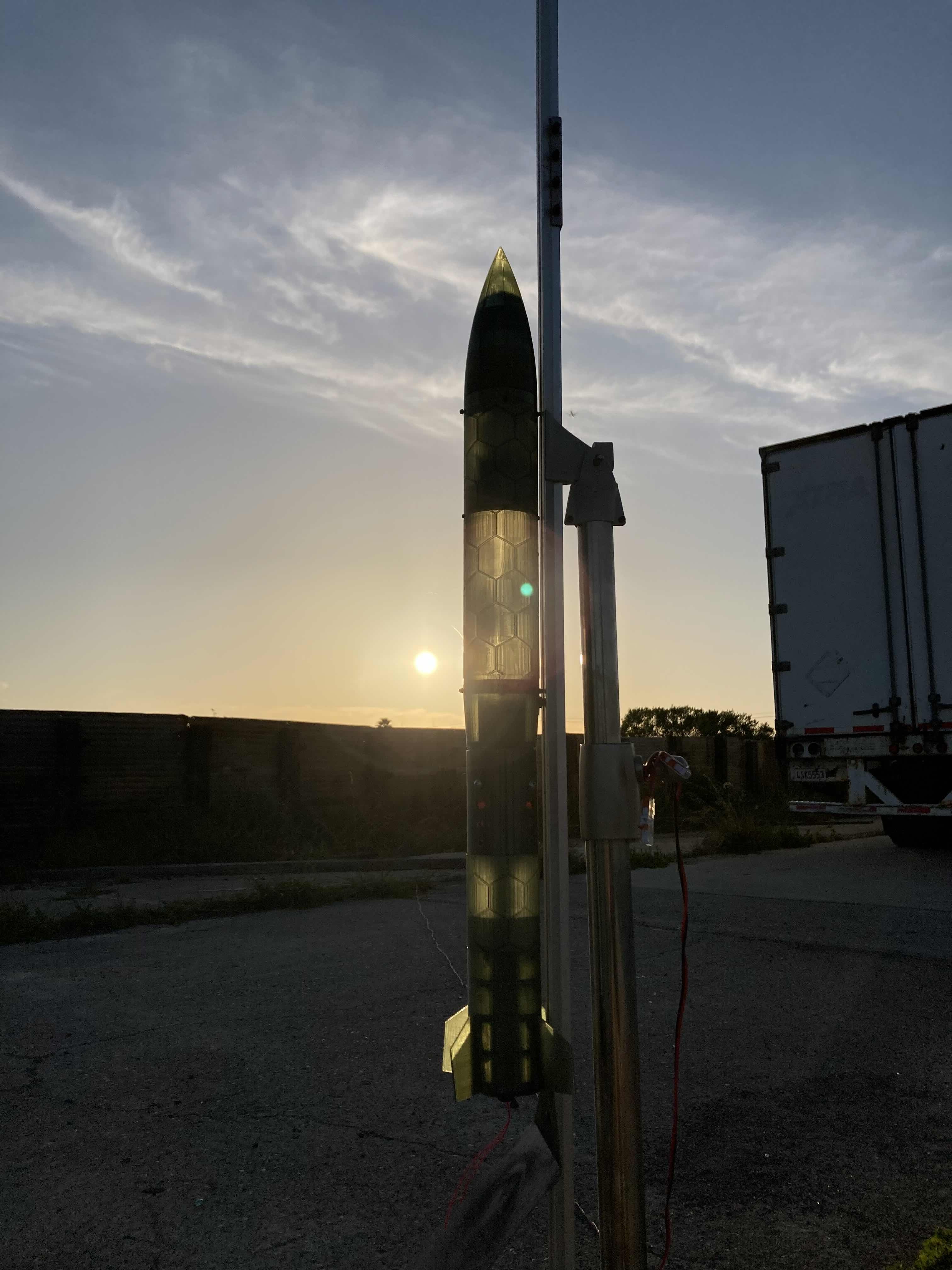
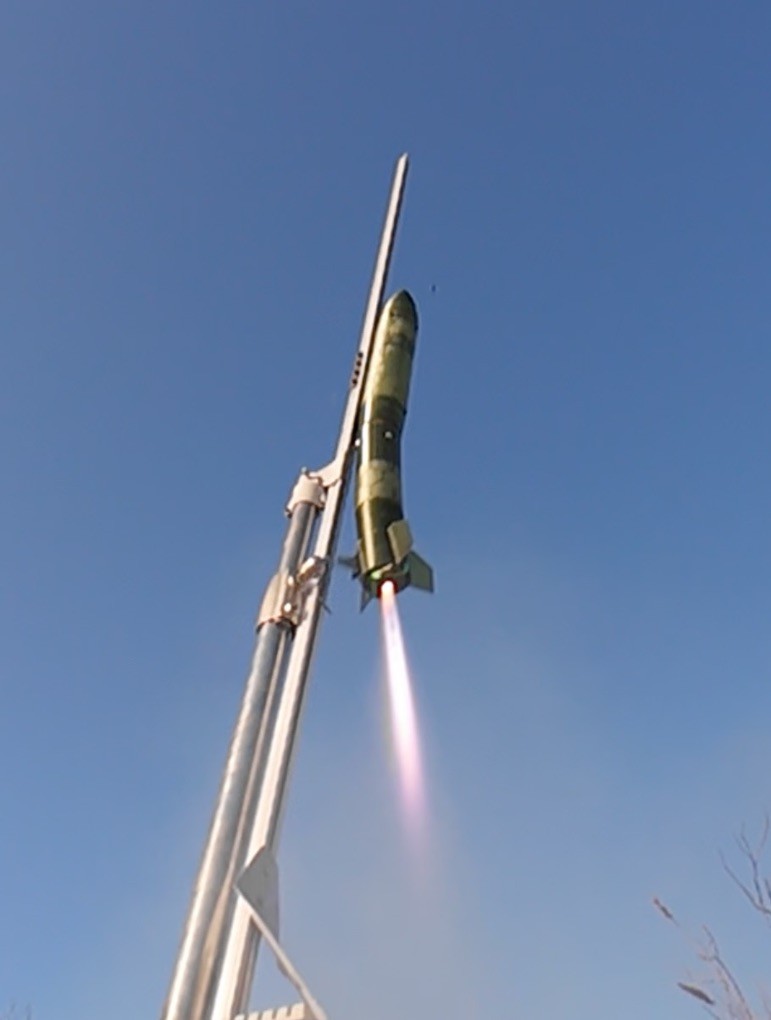
SP Aero's Pickle Rick, from last season: the fourteenth iteration of the design, a sleek black airframe printed in polycarbonate filament.
ARC 2025–2026
Our American Rocketry Challenge airframe. ARC scores you on how close you fly to a target altitude and flight time. The recovery and payload systems are ours, top to bottom.
Season 2024–25 · first season
Our first season's airframe, pulled apart in CAD: honeycomb-patterned body tubes, the coupler that joins them, the fin can at the tail, and the nosecone up front, each modeled and fitted on screen before a tube was cut.
Community · since March 2025
Space Pickles has brought STEM to life through hands-on rocketry camps and interactive workshops for students and peers. We're proud to have sparked curiosity and creativity in dozens of future engineers and scientists.
February 2026
Our team held a build and launch workshop, bringing hands-on aerospace engineering to elementary school students. We simplified complex topics and helped them gain a proper understanding by having them build model rockets and launch them. Seeing the students' curiosity was the highlight, and we hope to have many more of these events.
July 2025 · with Sewa International, Bay Area ASPIRE
Our team held its first summer outreach event in partnership with Sewa International USA, Bay Area ASPIRE. Our team spread the love for rocketry to underserved elementary school students. In an enrichment session, students were exposed to the basic principles of airflow demonstrated by our wind tunnel.
March 2025
Our team held its first outreach event, aimed at students at our high school. We explained our custom rocket, ideologies, lessons, and successes of the season.
ARC 2027 · flight demo
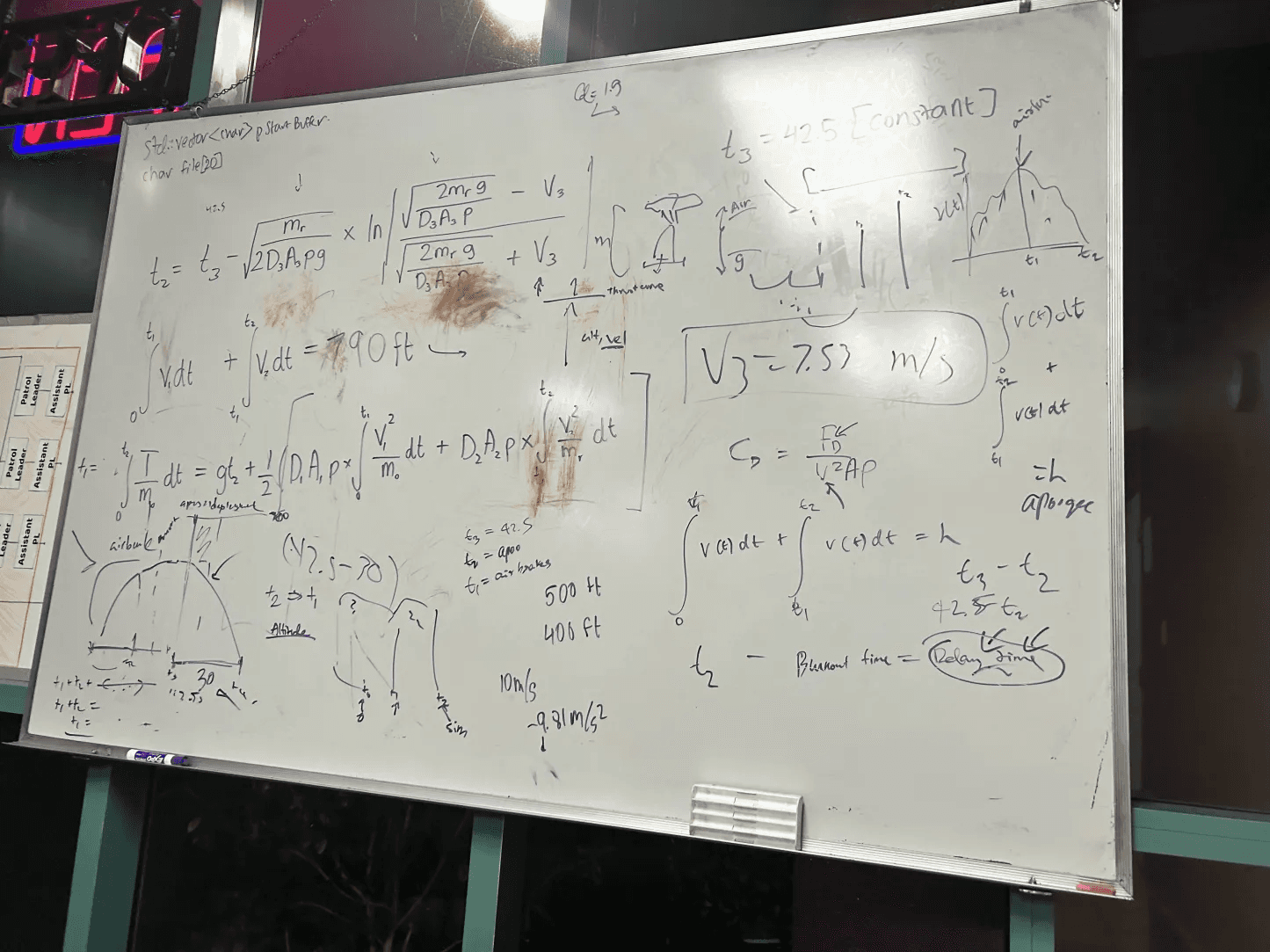
Scroll to fly the 2027 mission: walk the airframe, light the motor, ride to 800 feet, and bring two eggs home inside a 37 to 40 second window. The rules are ARC's. The drawing is live.
01 · Nosecone
Under the cone: two raw eggs and the recovery system. At apogee the charge fires, the chute comes out, and everything lands soft enough to fly again.
02 · Airframe
Every gram is drag or fuel. The 2027 rules want at least two body tube diameters, one of them 66 mm or wider. The honeycomb is how the cameras and the sim team read the spin.
03 · Fins
Four fins, laser-straight. Alignment here decides whether the flight profile matches the simulation or becomes a lesson.
04 · T−0 · Boost
A second and a half of thrust, then the motor is done and momentum carries the rest. The altimeter starts counting.
05 · Apogee · 800 ft target
The first number ARC scores: how close the altimeter reads to 800 feet. The flight computer catches the top of the arc, the ejection charge kicks the nosecone, and the chute unfolds.
06 · Recovery · 37 to 40 s window
The second number ARC scores: total time from liftoff to touchdown, inside a 37 to 40 second window. Two raw eggs ride the whole way and have to come out uncracked.
Mission numbers are the ARC 2027 challenge specification: 800 ft target altitude, 37 to 40 second flight window, two raw eggs returned intact, at least two body tube diameters. Source: 2027 American Rocketry Challenge rules.
Sponsorship funds tools, competition registration, outreach programs, and the workspace where all of it happens.



Send us an email with your name and organization. A team officer replies with our sponsorship overview.
Fund equipment, competition entry, or outreach. One-time gifts and in-kind donations of parts and materials count too.
Everything runs through The Hack Foundation, our 501(c)(3) fiscal sponsor, so contributions are documented properly.
Your logo joins the sponsor wall for the season, on the site our students, families, and partners actually use.
Airframe stock, motors, electronics, and the shop equipment the team builds with.
ARC registration, qualification launches, and travel.
Free workshops and the summer camp that introduce younger students to aerospace.
The build space where design, assembly, and testing actually happen.
Space Pickles Rocketry is fiscally sponsored by The Hack Foundation (d.b.a. Hack Club).
SPRC · June + July
Space Pickles Rocketry Camp is a hands-on introduction to rocketry and aerospace, taught entirely by the students who compete in ARC. Campers design their own model rockets, build them by hand, and launch them for real. No experience needed.
July 2025 session
One session in June and one in July, both built for first-timers. Campers go from the basics of aerospace engineering and flight to launching a rocket they built themselves, working in small teams the whole way.
Two squads, one launch rail. Everyone here designs, simulates, wires, or assembles something that leaves the ground.

Tanisha Arora
President

Varun Damojipurapu
Vice President
Roster will be released after tryouts are completed.
Roster will be released after tryouts are completed.